Stuttering 101
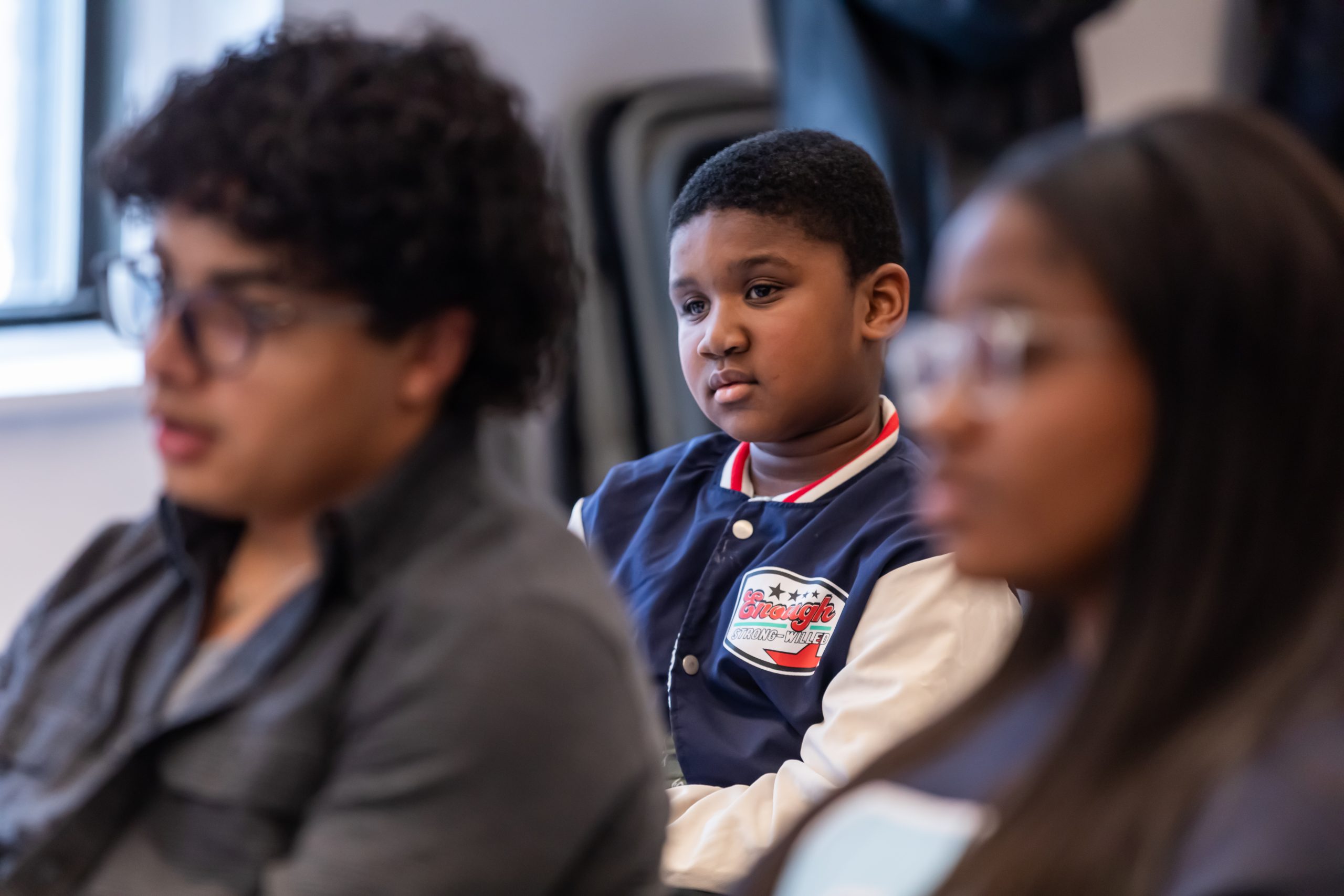
Stuttering is a complex and often misunderstood communication difference that can cause interruptions in a person’s speech. Children who stutter often have feelings of guilt, shame, anxiety, or discomfort about their speech. SAY was founded to help support these children and the world around them. We help young people understand that every voice deserves to be heard—even if you stutter.


SAY’s Life-Changing Programs
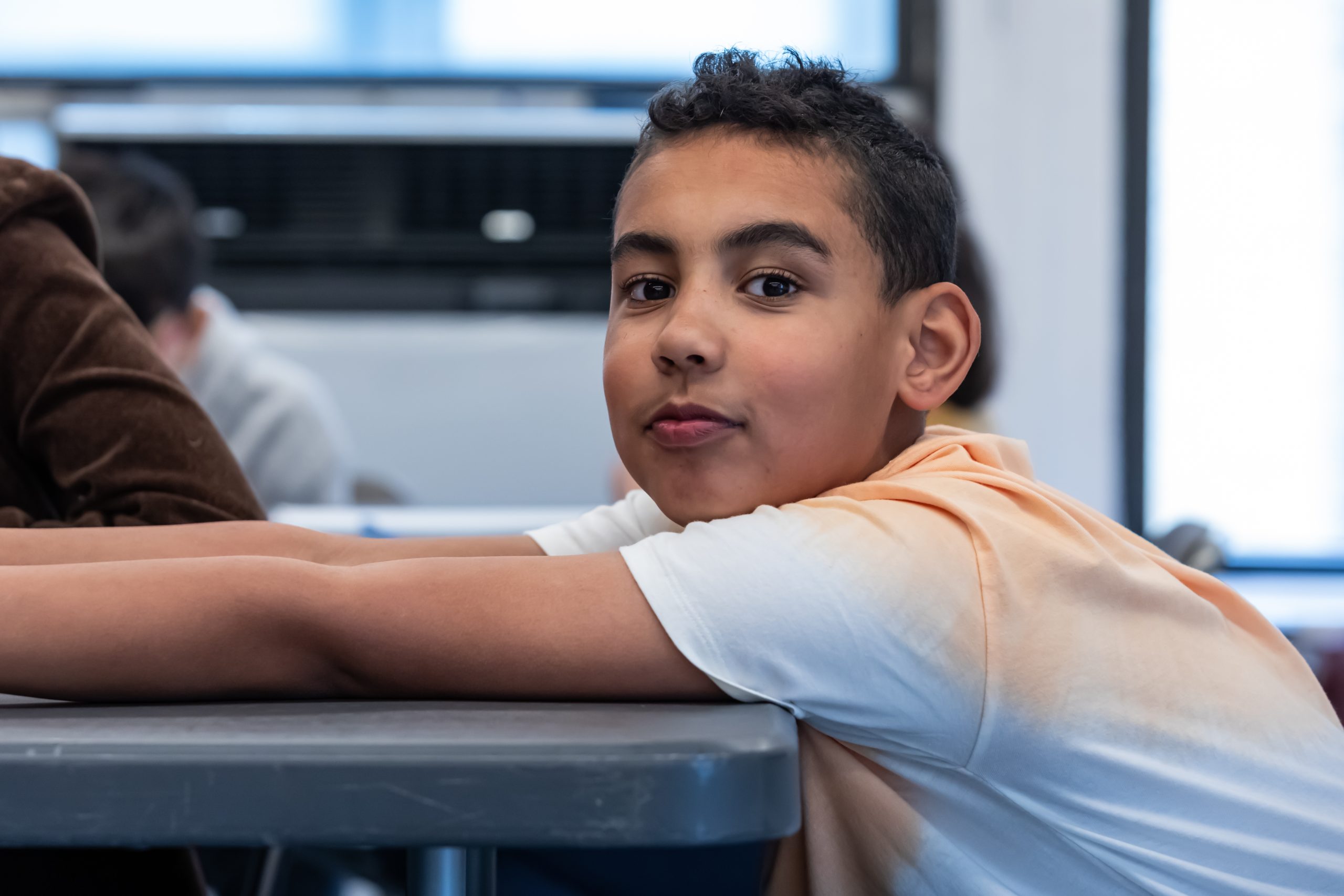
We believe that every young person who stutters has a voice that deserves to be heard. SAY empowers, supports, and advocates for young people who stutter, fostering confidence, community, and a world that listens. SAY builds a community of acceptance, friendship, and encouragement where kids and teens who stutter can develop the confidence and communication skills they need to thrive. Learn more about these SAY programs, and please submit an Inquiry Form with any questions.

SAY: Speech
SAY’s speech therapy program is led by a licensed speech-language pathologist and board-certified stuttering specialist. SAY: Speech embraces a holistic approach to stuttering therapy that addresses the individual needs and goals of each child and their family. We currently offer services to families in DC, MD, and NY for ages 3-18. Download our Speech Therapy Brochure.
Confident Voices: NYC
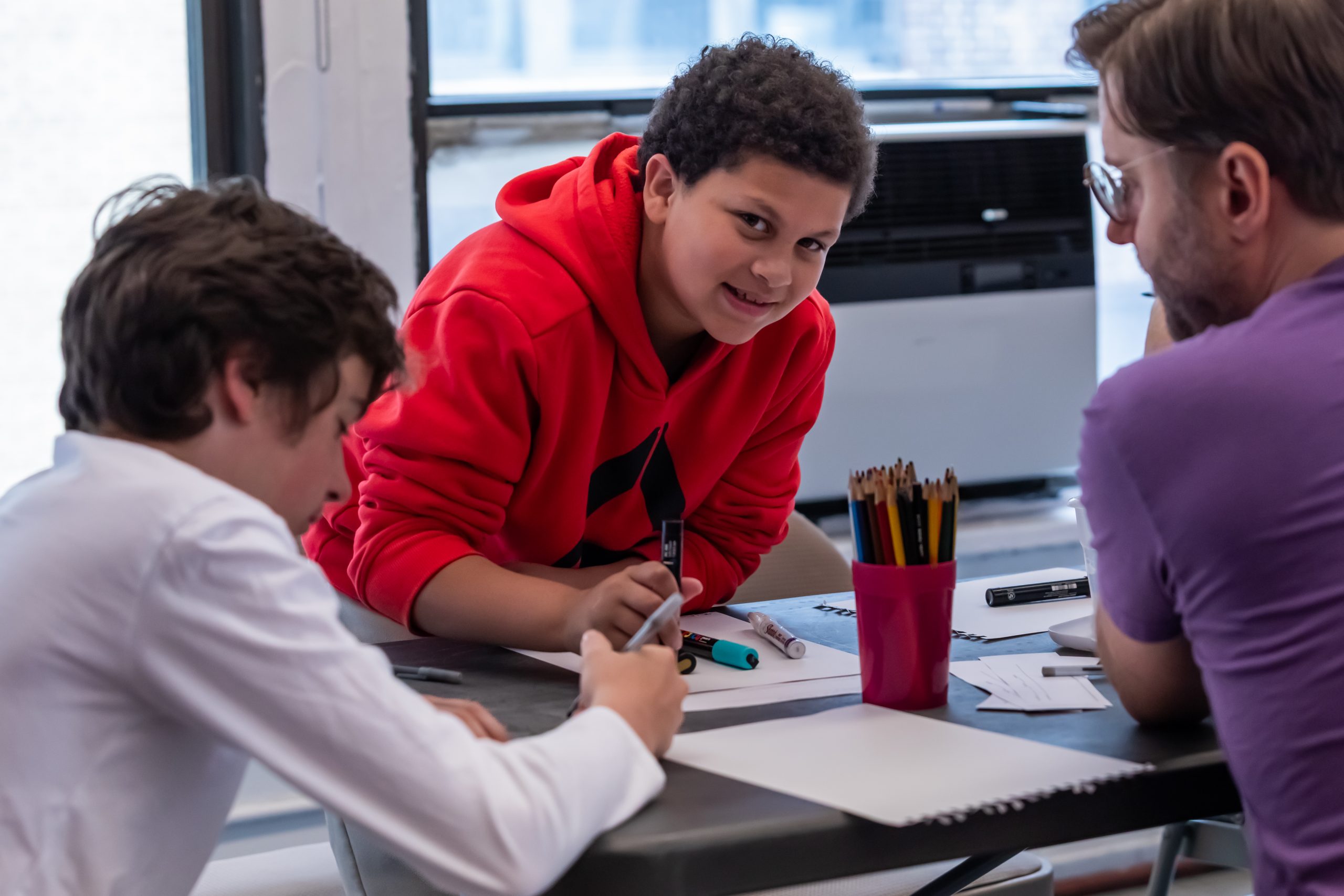
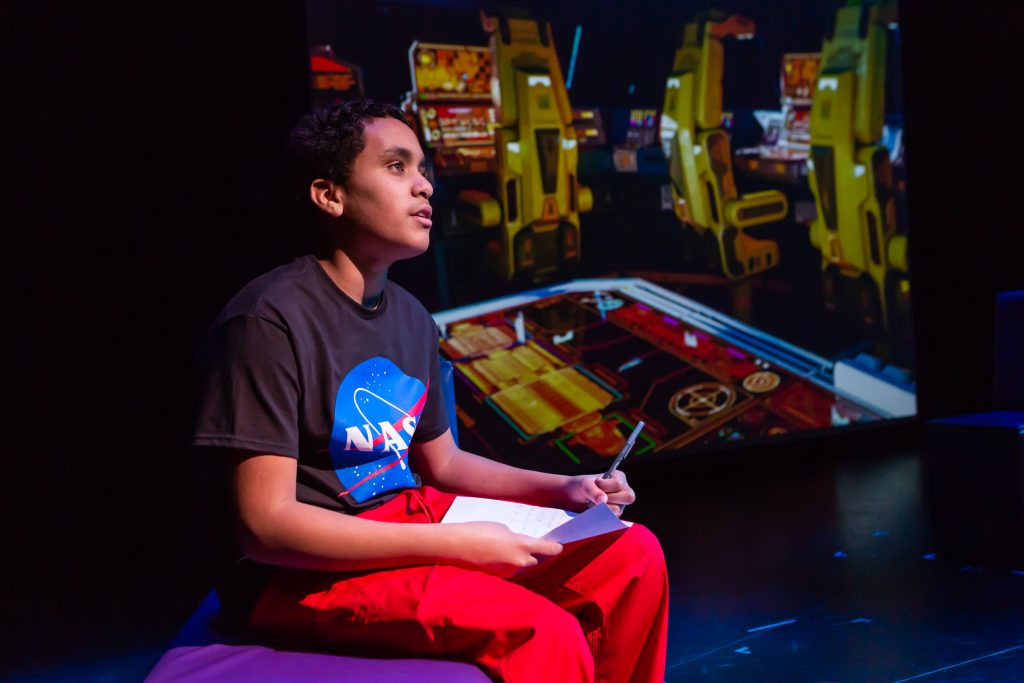
SAY’s award-winning weekend creative arts program takes place in New York City throughout the school year, inspiring imagination and empowerment through collaboration and connection. This project-based program for young people who stutter, ages 8-18, provides a unique forum for participants to express their thoughts, ideas, and dreams freely. Download our Confident Voices Brochure.
Camp SAY
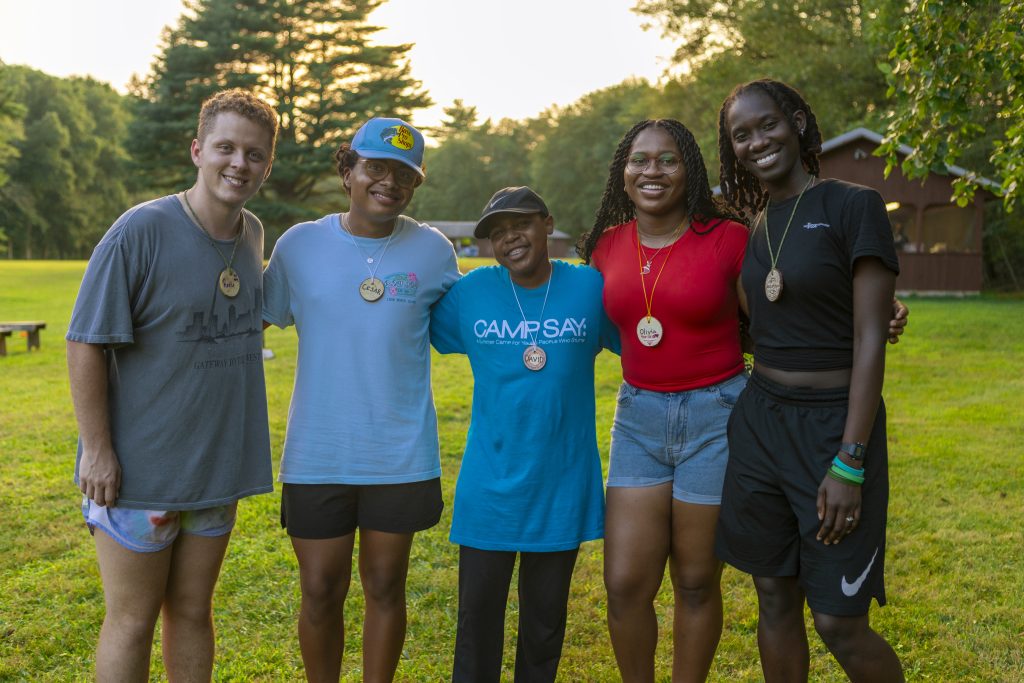
Our 2-week ACA-accredited, sleepaway summer camp for young people who stutter, ages 8-18, combines an exceptional traditional camp experience with specialized programs and activities designed to build confidence, improve communication skills, and forge enduring friendships. Download our Camp SAY Brochure.
SAY: DC
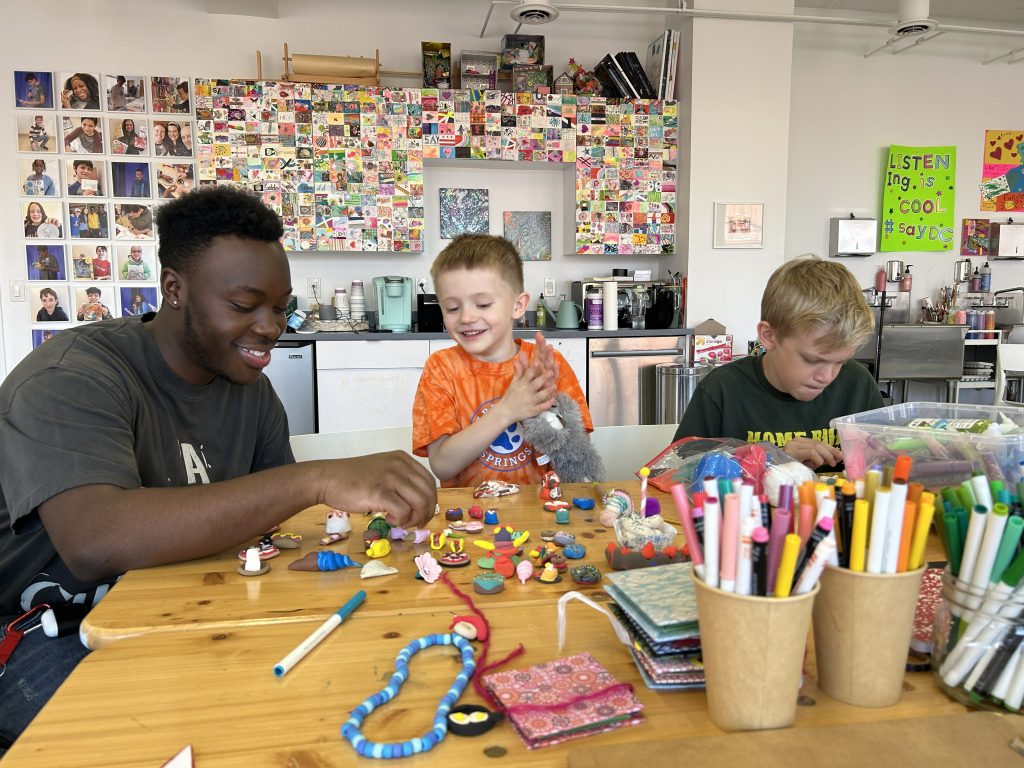
This free weekly creative arts program is offered throughout the school year in Washington, DC, where young people who stutter are supported and encouraged to find their voice. Through the power of listening, artmaking, and connection, participants ages 5-18 come together to create a community of fun, creativity, and imagination. Download our SAY: DC Brochure.
Camp SAY: Across the USA
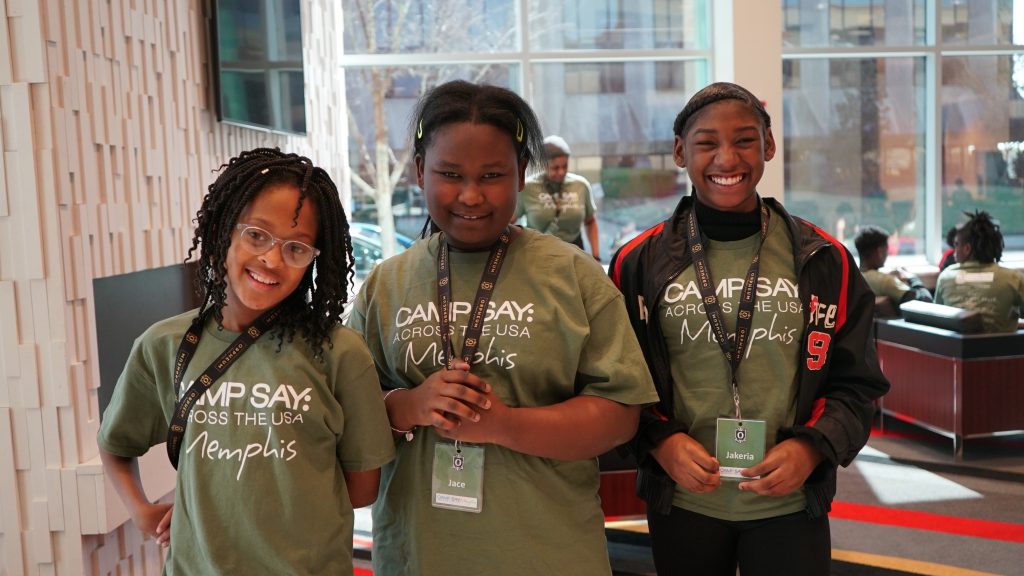
SAY’s regional mini–Day Camp weekend programs bring the transformative Camp SAY experience to cities across the country. Camp SAY: Across the USA is specially designed for kids who stutter, providing fun, self-discovery, and the opportunity to forge lasting bonds with new friends from their area.

My Stutter Project
This unique online program provides a brave and welcoming space for young people who stutter, ages 8-18. Through creative workshops, community, and encouragement, participants build confidence, communication, and self-advocacy skills in a space where others truly understand what they’re going through. Download our My Stutter Project Brochure.